
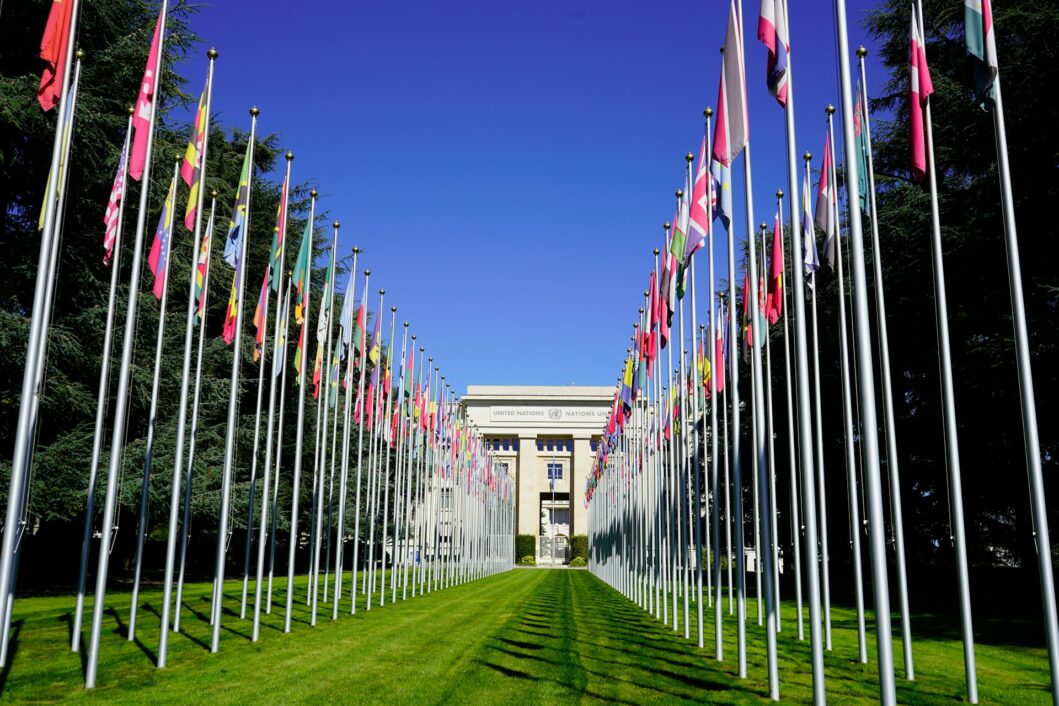
The rapid advancement of digital technology has transformed nearly every sector, and diplomacy is no exception. In today’s interconnected world, diplomatic leadership requires not only political insight and cultural awareness but also a strong understanding of technological tools and digital communication. As global challenges grow more complex, modern diplomats must navigate an evolving digital landscape to protect national interests, strengthen … Read More
Enhancing Government Efficiency Through Strategic Administrative and IT Integration
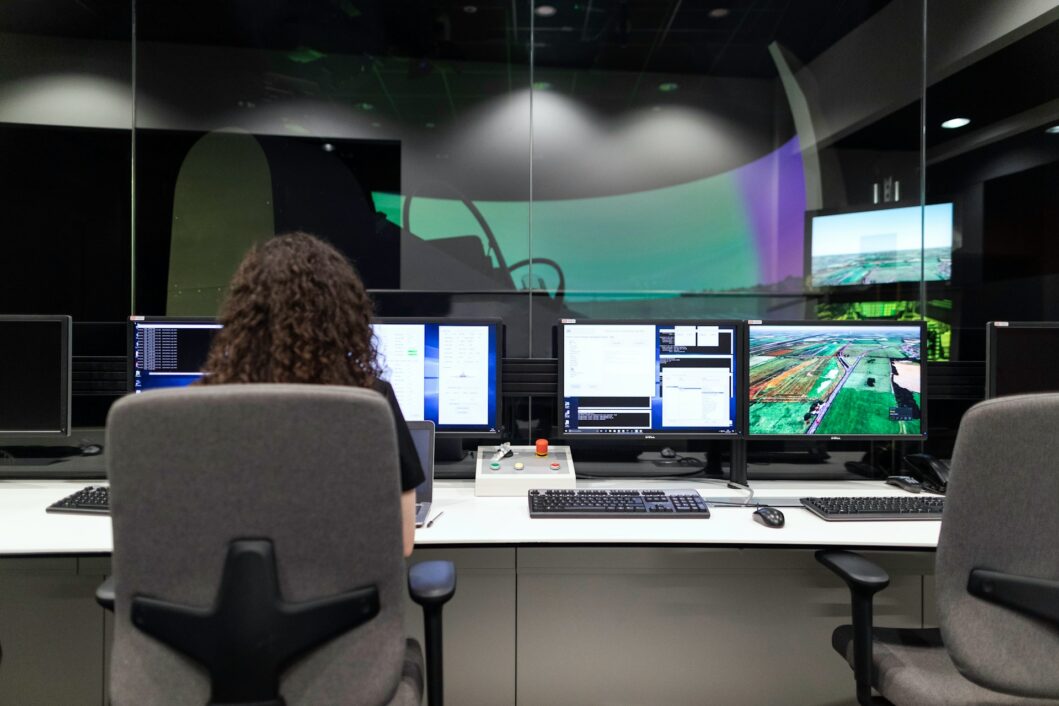
In a rapidly evolving world, government institutions face increasing pressure to operate more efficiently, deliver faster services, and adapt to technological advancements. Strategic integration of administrative processes with modern information technology has become essential for meeting these demands. By combining strong administrative frameworks with innovative digital tools, governments can improve transparency, enhance public services, and streamline operations across all departments. … Read More
Advancing National Interests Abroad: The Evolving Responsibilities of Deputy Chiefs of Mission

In today’s complex diplomatic landscape, Deputy Chiefs of Mission (DCMs) play a pivotal role in safeguarding and advancing their nations’ interests abroad. As second-in-command at embassies, they act as the operational backbone of diplomatic missions—bridging high-level policy strategy with day-to-day execution. The scope of their responsibilities has evolved significantly over the years, transitioning from purely administrative support to comprehensive diplomatic … Read More
Human Capital Management in Embassies: Building High-Performing Diplomatic Teams
People as the Core of Diplomatic Excellence While diplomacy is shaped by policies and international agreements, its true strength lies in the people who represent their nations abroad. Embassies operate in complex and fast-changing environments, and the effectiveness of their work depends largely on the expertise, motivation, and cohesion of their teams. Human capital management in diplomatic missions has therefore … Read More
The Human Element of Diplomacy: Why Effective Leadership Begins with People Management

Beyond Policy: The People-Centered Core of Diplomacy Diplomacy is often perceived as a realm of policy, negotiation, and statecraft. Yet, at its foundation, diplomacy is deeply human — built on relationships, empathy, and understanding. Effective diplomats recognize that success in international relations depends not only on strategic decision-making but also on the ability to manage people, build trust, and inspire … Read More
Navigating Global Challenges: How Strategic Risk Analysis Shapes Modern Foreign Policy

Understanding the Complexities of a Changing World In today’s interconnected global landscape, foreign policy decisions carry profound implications for political stability, economic development, and international relations. From geopolitical tensions to climate crises, cybersecurity threats, and global pandemics, nations face an ever-expanding range of risks that demand strategic foresight. This is where strategic risk analysis becomes a cornerstone of modern diplomacy … Read More
Becoming an Excellent Political Analyst: Skills, Strategies, and Career Path

Introduction: The Role of a Political Analyst Political analysts play a vital role in shaping public discourse, advising governments, informing media narratives, and guiding international relations. They interpret political trends, assess policy impacts, and provide insights that influence decision-making at every level. For those with a passion for politics, current affairs, and strategic thinking, it’s a rewarding and intellectually engaging … Read More
Navigating a Career in Diplomacy: A Path to Global Impact

Introduction: The Essence of Diplomacy A career as a diplomat offers the unique opportunity to represent your country on the global stage, shape international policies, and promote peace and cooperation between nations. Diplomats are the bridge between governments, working behind the scenes to manage relations, negotiate agreements, and respond to global events that affect their nation’s interests. The Role of … Read More
Becoming a Successful Diplomat: Skills, Strategy, and Global Impact

A career in diplomacy is both prestigious and demanding. Diplomats are the official representatives of their countries, tasked with fostering international relations, negotiating treaties, protecting national interests abroad, and promoting peace and cooperation. Becoming a successful diplomat requires more than academic qualifications—it demands a unique blend of interpersonal skills, cultural intelligence, strategic thinking, and unwavering dedication to public service. Educational … Read More
Elevate Your Impact: Practical Strategies to Improve Your Leadership Skills

Great leaders are not born—they are made through experience, self-awareness, and intentional development. Whether you are managing a team, running a business, or aspiring to a leadership role, improving your leadership skills is essential for long-term success. Strong leaders inspire others, navigate challenges with confidence, and create environments where teams thrive. The good news? Leadership can be cultivated with consistent … Read More